
How to Choose the Right Print Medium for Your Photos
- Feb 26
- 7 min read
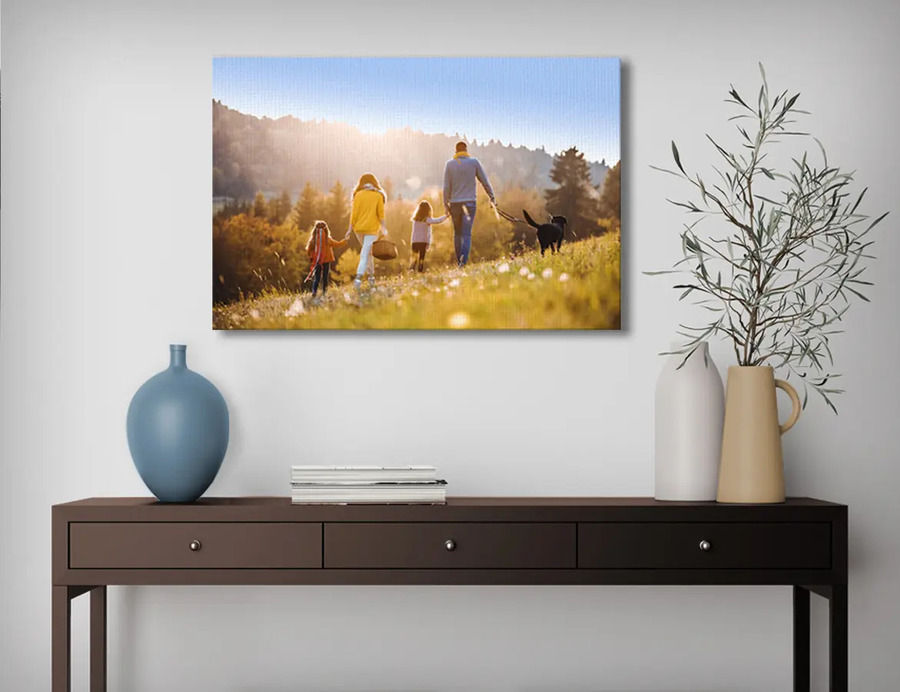
Most beginners assume printing is simply choosing a size and clicking order. In reality, the material you choose has a huge impact on how your photo looks, feels, and fits into a space. The same image can appear bold and modern on one surface, soft and timeless on another, and gallery-worthy on a third.
Understanding print mediums helps you move from “printing photos” to creating wall art. Each material interacts with light differently, handles color in a unique way, and suits different types of rooms and photography styles. Once you understand the differences, choosing the right medium becomes much easier and far more intentional.
This guide walks through the most popular print materials and explains when to choose metal, acrylic, canvas, or fine art paper. By the end, you will have a simple framework you can use every time you want to print a photo.
Why Print Medium Matters More Than Beginners Expect
When you look at a digital photo, you are seeing it on a smooth, glowing screen that produces light. Printing introduces real-world lighting, surface texture, and physical scale. These changes affect color, contrast, and emotional impact.
A glossy, reflective surface can make colors look vivid and punchy. A textured surface can soften tones and reduce glare. A rigid, frameless print can feel modern and bold, while a soft, wrapped canvas can feel warm and classic. The print medium becomes part of the artwork.
This is why photographers rarely think of printing as an afterthought. The material is part of the creative decision, just like lens choice or editing style.
Step One. Start With the Style of Your Photo

The easiest way to narrow your options is to start with the type of photo you want to print. Different images naturally pair well with different materials.
Vibrant and colorful images
Photos with strong color and contrast benefit from materials that enhance vibrancy and sharpness. Travel scenes, sunsets, city photography, and wildlife images often fall into this category. These photos look best on surfaces that emphasize detail and saturation.
Soft and emotional images
Family portraits, wedding photos, and lifestyle photography often have softer tones and emotional warmth. These images typically benefit from materials that reduce glare and create a more relaxed feel.
Fine art and black and white photography
Minimalist images, architectural photography, and black and white photos often look best on surfaces that emphasize subtle detail and tonal range. Texture and presentation play a larger role here.
Everyday memories and gift prints
Photos of pets, vacations, and daily life often need flexibility and affordability. These prints may be framed, gifted, or used in gallery walls.
Once you identify the style of the photo, the best medium usually becomes much clearer.
Metal Prints. Bold, Modern, and Built to Last

Metal prints are known for their vibrant color, sharp detail, and long-lasting durability. The printing process uses heat to infuse dyes directly into aluminum, which creates a smooth, high-definition surface with excellent color depth.
Because the image becomes part of the metal itself, these prints are extremely durable and resistant to fading. This makes them a strong choice for both indoor and outdoor display.
Metal surface options explained
White Gloss is the most popular surface because it delivers bright color and strong contrast. It works well for images that need maximum vibrancy and detail.
White Matte and White Satin provide similar color but reduce glare. Satin sits between glossy and matte, offering a balanced look that works well in bright rooms.
Silver Gloss allows the aluminum to show through the white areas of the image. This creates a unique luminous look that feels artistic and modern.
Textured Matte offers a subtle texture and fine art feel, which works well for photographers who prefer a softer presentation.
Outdoor HD Metal is designed for weather resistance, making it a practical choice for patios and outdoor spaces.
Mounting and display flexibility
Metal prints offer flexible display options that make them easy to integrate into modern spaces. Float mounts create a floating effect that gives the print depth and separation from the wall. EZ stick tape allows easy repositioning and works well for collage-style gallery walls. Frame options add warmth if you prefer a softer look.
Best photos for metal prints
Metal prints work especially well for landscapes, travel photography, city scenes, and high contrast images. They pair naturally with modern and contemporary interiors.
Acrylic Prints. Gallery Style and Ultra Luminous

Acrylic prints are often associated with gallery displays because of their depth and clarity. The image is printed onto high-resolution photo paper and then face-mounted behind a sheet of clear acrylic. This process creates exceptional sharpness and a luminous appearance.
The acrylic layer adds depth that makes the image appear almost three-dimensional, especially when lit from the front.
Acrylic style options explained
HD Acrylic uses a quarter-inch acrylic face with a black backing and remains the most popular choice. It provides a strong, polished look that suits statement wall art.
HD Acrylic Slims offer a thinner profile for a sleek and minimalist appearance.
HD Acrylic 360 uses clear acrylic on both sides, which creates an elegant floating effect that looks striking in modern spaces.
Mounting and floating display
Aluminum mounts allow acrylic prints to float slightly away from the wall, which enhances the gallery look. Black and silver mounting options help match the print to the surrounding decor.
Best photos for acrylic prints
Acrylic works well for high-detail landscapes, night photography, and professional portraits. These prints are ideal when you want a photo to become the focal point of a room.
Canvas Prints. Warm, Textured, and Timeless

Canvas prints offer a completely different experience compared to metal or acrylic. Instead of a smooth reflective surface, canvas introduces texture and softness.
This texture reduces glare and gives images a warm, relaxed feel that works well in comfortable living spaces.
Canvas styles explained
Giclee canvas prints use a semi-gloss poly cotton blend and archival inks that provide long-lasting color and excellent tonal range.
Metallic canvas adds a subtle shimmer that creates a gentle pearlescent effect when light hits the surface. This option combines the warmth of canvas with a hint of vibrancy.
Wrap options
A 1.5 inch gallery wrap is the most popular choice because it creates a finished, ready-to-hang piece of wall art. A 0.75 inch wrap offers a slimmer profile for smaller spaces.
Best photos for canvas
Canvas works beautifully for family portraits, wedding photography, and lifestyle images. It pairs naturally with traditional, farmhouse, and cozy interior styles.
Fine Art and Photo Paper Prints. Versatile and Accessible

Paper prints remain one of the most flexible and accessible printing options. They are easy to frame, easy to gift, and perfect for gallery walls or smaller displays.
Paper finishes explained
Glossy paper delivers vivid color and deep blacks, making it ideal for vibrant portraits and colorful images.
Luster paper provides a satin finish that balances color and glare reduction. This makes it a strong all-around choice for many types of photography.
Metallic paper adds a luminous effect that enhances depth and contrast.
Fine art paper offers a museum-grade surface that is archival certified for more than 100 years. It provides exceptional detail and color range for high-resolution photography.
Framing and matting elevate paper prints
Wood frame options and matting choices allow paper prints to feel polished and gallery-ready. Matting creates breathing room around the image and helps draw attention to the photo.
Best photos for paper prints
Paper prints work well for portraits, gifts, and gallery walls. They provide an affordable starting point for beginners who want to begin printing their photos.
Step Two. Consider Where the Print Will Live

The location of the print plays a major role in choosing the right material. Outdoor spaces benefit from metal prints designed for weather resistance, while acrylic prints are best suited for indoor environments.
Modern spaces often pair well with metal and acrylic, while cozy and traditional spaces often suit canvas. Gallery walls and gift prints frequently use paper prints because of their flexibility.
Lighting also matters. Bright rooms benefit from matte or satin finishes that reduce glare, while controlled lighting works well with glossy and acrylic surfaces.
Step Three. Decide the Feeling You Want
Think about the emotional tone you want the print to create. Metal and acrylic feel modern and bold, canvas feels warm and relaxed, and paper prints feel classic and versatile.
When you match the feeling of the material to the mood of the photo, the result feels intentional and cohesive.
How to Choose With Confidence
Choosing the right medium becomes easier when you ask a few simple questions. What type of photo are you printing? Where will it hang? What mood do you want to create? What size are you considering?
Answering these questions quickly narrows your options and helps you select a material that enhances the photo instead of competing with it.
Choosing the Right Medium Changes Everything

There is no single best print medium because every photo has different strengths, and every space has different needs. A bright travel image may feel energetic and modern on metal, while the same photo might feel softer and more relaxed on canvas. A dramatic landscape can feel immersive behind acrylic, while a portrait may feel timeless when printed on fine art paper and framed.
When the material matches the photo, the result feels intentional instead of accidental. Colors look more natural, contrast feels balanced, and the overall presentation feels complete. The print no longer looks like a file that was simply transferred onto a surface. It starts to feel like a finished piece of art.
This shift changes how you approach photography. Instead of stopping at editing, you begin thinking about how the photo will live in the real world. You consider wall space, lighting, room style, and the emotional tone you want the image to create. These choices turn printing into part of the creative process rather than the final step.
The impact extends beyond aesthetics. A well-chosen print becomes part of daily life. It fills empty walls, adds personality to rooms, and preserves memories in a way digital storage cannot. Photos stop being temporary and start becoming part of your environment.
Once you experience how much the right medium improves a photo, printing stops feeling optional. It becomes a natural and rewarding way to bring your images into the spaces where you live, work, and spend time with the people who matter most.


Comments