
Turning Holiday Memories Into Wall Art: A Guide to Photo Prints That Last
- Dec 11, 2025
- 7 min read

The holiday season fills our camera rolls with moments we want to remember. Families gathered around the table, kids opening presents with faces lit by pure joy, the quiet beauty of first snow, or that perfect sunset during a winter getaway. These aren't just photos, they're the moments that define our year, the memories we'll want to revisit for decades to come.
Turning your holiday photos into fine art-quality wall art isn't complicated, but it does require some thoughtful consideration. From choosing the right image to selecting a print medium that enhances your photograph's unique qualities, each decision shapes how your memory will be preserved and experienced. Let's explore how to transform those special holiday captures into prints that honor the moments they represent.
Who Appreciates Fine Art Prints as Holiday Gifts

Understanding your recipient helps ensure your gift resonates rather than creates obligation. Fine art prints work best for people who already value photography, décor, or tangible memory-keeping. You're not just giving a product, you're giving a carefully considered piece of someone else's story, presented in a way that honors its importance.
Grandparents consistently rank among the most appreciative recipients of family photo prints. Many grew up in eras where printed photographs were the norm, so physical prints feel natural and meaningful to them. A high-quality print of their grandchildren isn't just a gift,it's acknowledgment that these relationships and moments matter enough to be preserved beautifully. Grandparents often display such gifts prominently, showing them to visitors and keeping these visual connections to family close at hand.
New parents treasure prints documenting their baby's first holiday season. The chaos of early parenthood means photos often stay digital by default, so a thoughtfully chosen and professionally printed image becomes something special. Parents appreciate when someone else recognizes the significance of these fleeting stages and creates something permanent from them. A beautiful print of their baby's first Christmas or their toddler's wonder at holiday lights becomes part of their family's visual history.
People who've recently moved into new homes often need and want artwork that feels personal rather than generic. Holiday photos from their first season in the new space, or family images that help make the house feel like home, serve both decorative and emotional purposes. A well-chosen print acknowledges their new chapter while giving them something meaningful to display in empty wall space they're working to fill.
Understanding Different Print Mediums

Different print materials bring out different qualities in your photographs, and matching medium to image creates the most satisfying results. The wrong choice won't ruin your photograph, but the right choice elevates it, emphasizing the qualities that made you want to print it in the first place.
Metal prints deliver exceptional sharpness and vibrant colors, perfect for images with bold colors or high contrast, e.g. winter landscapes, dramatic lighting, or graphic compositions. The contemporary aesthetic suits modern décor, and metal's durability handles moisture well for kitchens or bathrooms.
Canvas prints offer traditional warmth with a painterly texture that flatters family portraits and soft-lit indoor moments. The timeless feel works beautifully for images you want to feel classic, and canvas scales naturally to larger formats for substantial wall presence.
Paper prints deliver the finest detail and most accurate color reproduction. Fine art paper provides a museum-quality feel for carefully composed work, while glossy or luster finishes make colors pop for vibrant holiday memories. Metallic paper adds a subtle shimmer that makes holiday lights and snow scenes luminous.
Acrylic prints create remarkable depth and dimension with their glass-like surface that intensifies colors. They work best for bold, simple compositions—a perfectly lit portrait, minimalist winter scene, or architectural detail where the three-dimensional quality becomes a showpiece.
Popular Print Sizes for Holiday Gifts

Size matters more than many people realize when choosing prints. Too small, and your image loses impact, failing to command the attention it deserves. Too large, and it might overwhelm the space or feel awkward in proportion to surrounding décor. Finding the right size means considering both the image itself and how it will be displayed.
16×20 or 20×24 inch prints for grandparents and parents hit a sweet spot. These sizes feel substantial and important without requiring huge wall space. They're large enough to appreciate detail and emotion but manageable for typical home environments. A 16×20 family portrait from your holiday gathering makes a meaningful gift that shows thought and care, it's not a casual snapshot but a considered presentation of a moment that matters to both giver and recipient.
11×14 or 8×10 smaller formats work beautifully for desk displays, bookshelves, or creating gallery walls with multiple images. These sizes suit offices, bedside tables, or anywhere someone wants a visual reminder of family close at hand. They're also more affordable, making them practical for gifting to extended family members or when you want to print multiple images from the same occasion. An 11×14 print can absolutely hold its own visually while remaining easy to accommodate in almost any space.
24×36 or even 30×40 larger statement pieces work when you have a truly exceptional image and know the recipient has appropriate wall space. These sizes transform photographs into room-defining art pieces. They work best for spaces with high ceilings or large blank walls where the print becomes a focal point. A sweeping holiday landscape, a particularly stunning family portrait, or a meaningful moment captured with artistic composition all deserve this treatment when the space allows.
20×20 or 24×24 square formats have gained popularity for their balanced, contemporary aesthetic. They work particularly well on Instagram-influenced décor sensibilities and can be easier to fit into certain spaces than traditional rectangular formats. If your holiday image was composed with central subjects and works well cropped to square, this format might be worth considering.
Preparing Your Images for Holiday Photo Printing
Before sending files to print, a few considerations ensure the best possible results. Resolution matters, images intended for large prints need sufficient detail to avoid appearing pixelated or soft. Most smartphones since 2018 or so capture enough resolution for prints up to 16×20, and dedicated cameras typically handle even larger sizes comfortably. If you're uncertain about a specific image, most print services can advise whether your file will work well at your desired size.
Basic editing enhances most images before printing. Adjusting exposure to ensure faces are properly lit, removing distracting background elements, and making sure colors feel natural rather than overly processed all improve final print quality. Prints reveal flaws that screens might hide, so images that look slightly dark on your phone often need brightening for printing. Similarly, overly vibrant edits that look appealing on backlit screens can appear garish in print. Aim for balanced, natural-looking adjustments rather than heavy-handed processing.
Cropping deserves careful thought when preparing images for print. Standard print sizes don't always match your camera's native aspect ratio, meaning some cropping becomes necessary. Preview how your image will crop at different sizes to ensure important elements stay in frame. A photo that looks perfect on your phone might lose someone's face or cut off meaningful details when cropped to 16×20 proportions. Most print services show previews, so use these to verify your composition works before committing.
Color profiles and print output can differ from what you see on screen. Monitors display colors differently than prints, and bright screens make images appear more vibrant than they'll look on paper, canvas, or metal. So it's worth understanding that some variance between screen and print is normal. When in doubt, ordering a small test print before committing to a large, expensive one can prevent disappointment.
Framing and Presentation Options

How you present your print affects its overall impact nearly as much as the print medium itself. Framing protects the print while finishing its presentation, transforming a loose photograph into a complete piece of wall art. The right frame complements without overwhelming, directing attention to the image rather than itself.
Metal and acrylic prints often work beautifully unframed or with minimal mounting hardware. The materials themselves create clean, finished edges that need no additional presentation. This works well for contemporary spaces where sleek, modern aesthetics fit the environment. However, frames can still enhance these prints when you want a more traditional or substantial presence. Floating frames that leave space between the print and frame create an elegant, gallery-quality presentation.
Canvas prints typically stretch around wooden frames, creating finished edges that need no additional framing. Gallery wraps, where the image continues around the edges, create a polished look straight from the printer. Some people prefer traditional frames around canvas for a more formal presentation, which works particularly well for classic portraits or formal family photographs. The texture of canvas itself provides enough visual interest that simple frames usually work better than ornate ones.
Paper prints almost always benefit from matting and framing. Museum-quality matting protects the print while creating breathing room that helps the image feel properly presented.
Frame choice matters, classic wood tones suit traditional images and décor, while clean white or black frames work for contemporary aesthetics. The goal is creating cohesion between image, mat, frame, and the environment where it will hang. Consider where the print will live and what will surround it when choosing presentation styles.
Gifting Considerations and Timing
If you're creating prints as holiday gifts, planning ahead matters more than you might expect. Quality printing takes time, especially during the busy holiday season when many people have the same idea. Ordering several weeks before you need the prints ensures you're not rushed, allows time for any potential reprints if something arrives damaged, and gives you flexibility to make changes if your first choice doesn't work as expected.
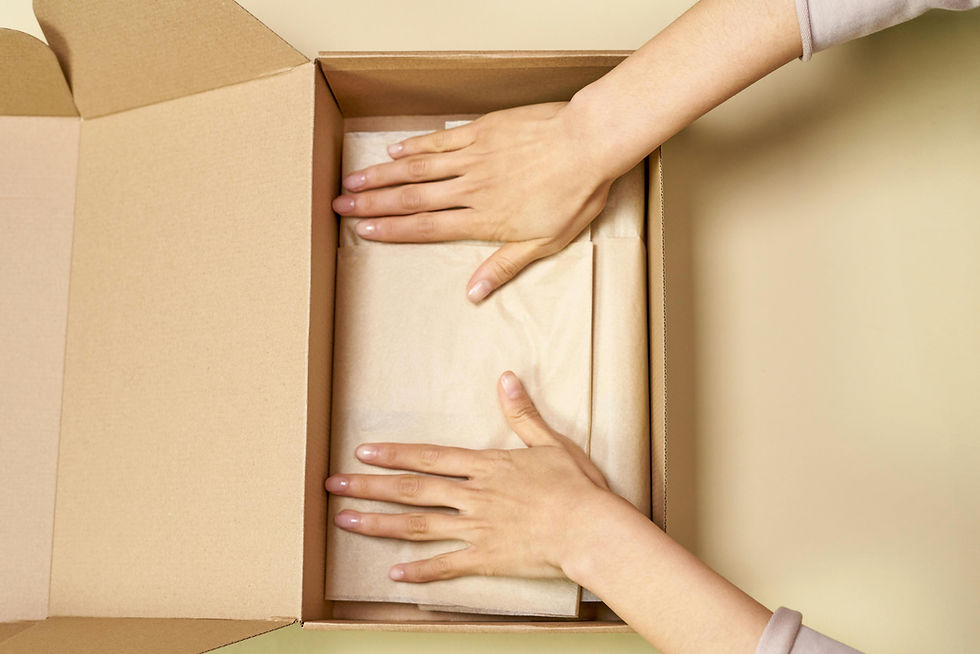
Consider packaging and presentation when gifting prints. A beautiful print deserves better than being handed over in generic packaging. If the print is framed, wrapping becomes easier and the gift feels more complete. For unframed prints, protective packaging that keeps them flat and safe is essential, damaged prints make disappointing gifts regardless of how meaningful the image.
Including a note explaining why you chose this particular image adds personal meaning to the gift. The story behind the photograph, what made this moment special, why it reminded you of the recipient, what emotion it captures, helps the recipient appreciate both the image and your thoughtfulness in selecting it. Sometimes the story matters as much as the photograph itself.
Making It Meaningful
Turning holiday photos into wall art isn't really about printing technology or print mediums, though those details matter for achieving quality results. It's about recognizing which moments deserve to exist beyond your phone screen, which memories merit the permanence of being displayed where you'll see them every day.
Whether you're printing for your own walls or choosing images to gift to people you care about, the process requires the same consideration: seeing past the technical details to recognize the emotional truth a photograph holds, then presenting it in ways that honor both the moment and the people in it. That's what transforms holiday snapshots into art that lasts!


Comments